
Some days seem to follow you home.
You finish work, take care of a few things around the house, answer one last message, and suddenly it’s almost bedtime. You’re tired, but your mind is still caught up in everything that happened.
Slowing down after a busy day isn’t always easy.
And while a peaceful evening might sound lovely, finding time for one can feel like another challenge.
Fortunately, winding down doesn’t have to be complicated. A comfortable space, a quiet activity, or a few minutes away from your usual responsibilities can be a good place to start.
Here are seven simple ways to build an evening routine that fits your life, even when your days don’t go as planned.
Why a Gentle Evening Routine Can Help
When your day is filled with responsibilities, it’s easy to keep going until the moment you climb into bed.
But leaving a little room for quieter activities can help you make the transition from a busy day to bedtime.
The National Institutes of Health (NIH) recommends making time for calm activities before bed as part of healthy sleep habits. Reducing bright artificial light and creating a comfortable sleeping environment are also among its suggestions.
An evening routine can be as simple as turning down the lights, reading a little, or spending a few minutes somewhere comfortable.
These habits aren’t guaranteed to improve your sleep, and what feels relaxing to one person might not work for another.
The idea is to find small moments that help you settle into the evening without putting extra pressure on yourself.
7 Simple Ways to Unwind After a Busy Day
There’s no need to follow every suggestion. Choose one or two that sound appealing and see how they fit into your evenings.
- Soften the Lighting
- Take a Short Break From Your To-Do List
- Spend Time on Something You Enjoy
- Make Tomorrow a Little Easier
- Try Gentle Movement or Relaxation
- Make Your Space More Comfortable
- Give Yourself Permission to Keep It Simple
1. Soften the Lighting
Bright lights are useful throughout the day, especially when you’re cooking, cleaning, or working.
As bedtime approaches, try creating a softer atmosphere.
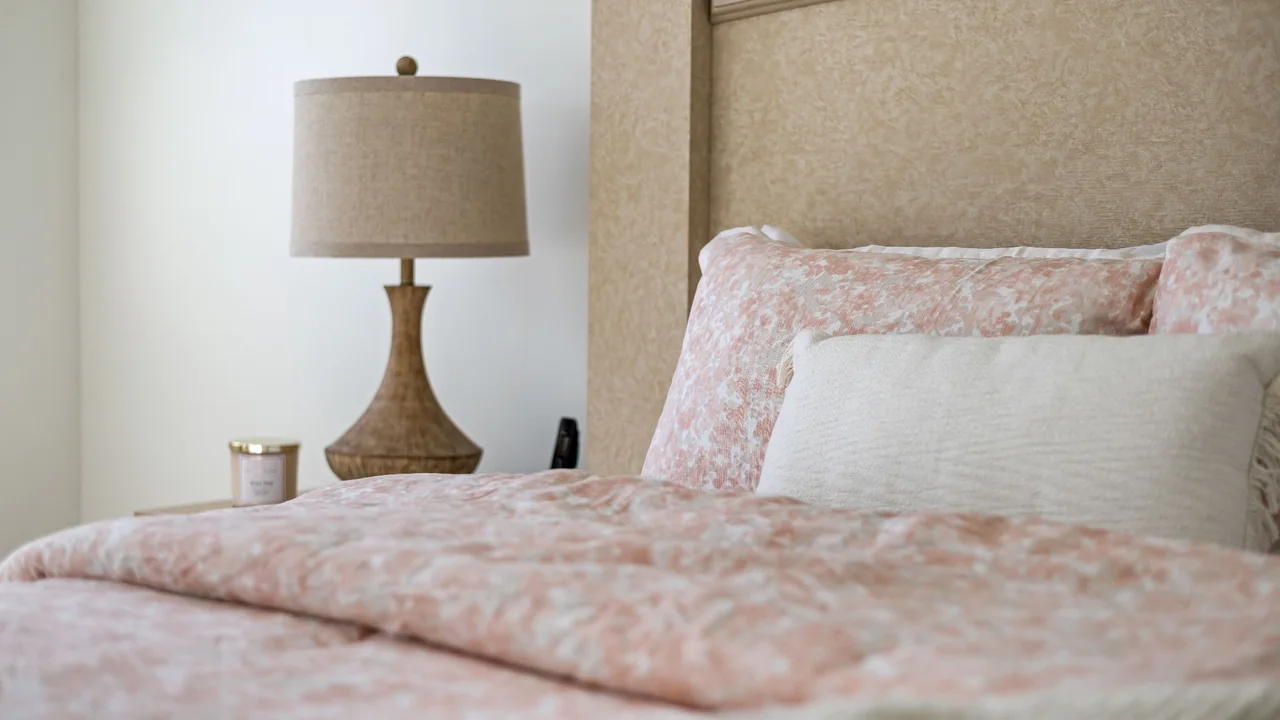
You might switch off an overhead light and use a bedside lamp instead. If you’re spending the evening in your living room, a small change in lighting can make that space feel more comfortable, too.
Reducing exposure to bright artificial light before bed is consistent with established sleep recommendations.
And there’s no reason to buy special lighting equipment. Start with what you already have.
2. Take a Short Break From Your To-Do List
Evenings have a way of filling up with unfinished tasks.
There are dishes to wash, messages to answer, and plans to make for tomorrow. Before you know it, the entire evening has passed.
When possible, give yourself a few minutes without anything particular to accomplish.
Sit somewhere comfortable, look out the window, or simply enjoy a quiet moment.
You might notice that your thoughts are still busy. That’s fine. There’s no need to force yourself to feel calm.
For now, just enjoy a break from doing things.
3. Spend Time on Something You Enjoy
A quiet activity can be a pleasant way to end the day.
Perhaps you enjoy reading a novel, listening to soft music, working on a puzzle, or doing something creative.
Choose an activity that feels enjoyable rather than demanding.
If you’re reading, for example, there’s no need to finish a chapter. A few pages may be enough.
The same goes for hobbies. You can spend a little time on something you like without trying to complete a project.
And if you’re too tired for any of those things, resting comfortably is a perfectly reasonable choice.

4. Make Tomorrow a Little Easier
Sometimes the next day’s responsibilities are already on your mind before the current day has ended.
A small amount of preparation can help you feel more organized.
- Set out the clothes you’d like to wear.
- Put your keys and other essentials in one place.
- Write down something important you don’t want to forget.
- Prepare a few things for breakfast.
Pick one task that would make tomorrow easier.
There’s no need to spend your whole evening getting ready for the next day. A few practical minutes are enough for this part of your routine.
5. Try Gentle Movement or Relaxation
If you’ve spent much of the day sitting, you might enjoy a little gentle movement in the evening.
Comfortable shoulder stretches, slow movements, or a few moments of relaxed breathing may feel pleasant.
Other people prefer a warm shower or simply sitting quietly.
There’s no single activity that works for everyone.
The National Center for Complementary and Integrative Health (NCCIH) notes that relaxation techniques can be part of healthy sleep habits. However, evidence for these techniques alone as treatments for chronic insomnia is limited.
For an everyday evening routine, there’s no need to turn relaxation into a formal exercise.
Choose something comfortable, avoid movements that cause pain, and feel free to skip this step whenever it doesn’t suit you.
6. Make Your Space More Comfortable
A relaxing home doesn’t have to look like a photograph from a design magazine.
Sometimes a few small adjustments make a room feel more inviting.
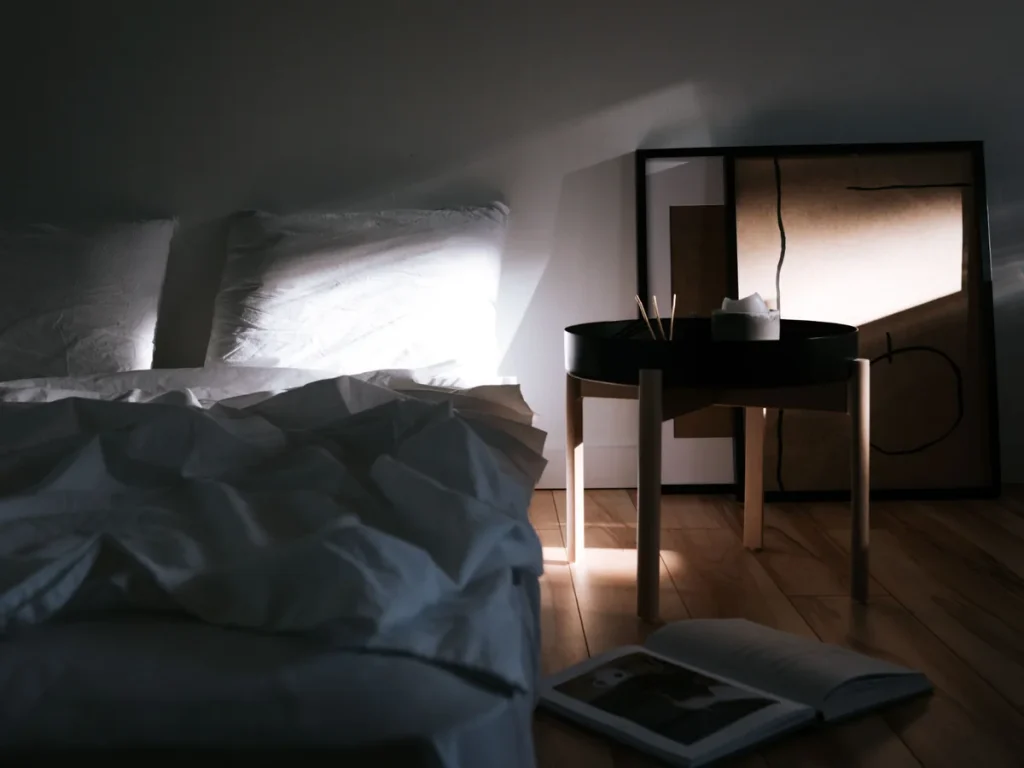
You might straighten your bedding, clear a little space beside your bed, close the curtains, or adjust the room temperature.
If you’re preparing to sleep, consider whether light or noise is making the room uncomfortable.
The Centers for Disease Control and Prevention (CDC) recommends keeping the bedroom quiet, relaxing, and comfortably cool.
Work with the space you have. A small, lived-in bedroom can be just as welcoming as a beautifully decorated one.
7. Give Yourself Permission to Keep It Simple
Not every evening will unfold the way you planned.
You might get home later than expected, spend extra time caring for your family, or feel exhausted by the end of the day.
On those nights, a long routine may be the last thing you want.
You can keep things simple: change into comfortable clothes, prepare for bed, and leave the rest for another day.
A routine should be something you can adapt, not another responsibility waiting for your attention.
Build an Evening Routine That Fits Your Schedule
One of the most useful things about a simple evening routine is that it can change with your schedule.
Some nights, you’ll have time to enjoy a book or a warm shower. Other evenings, a few quiet minutes may be all you can manage.
Here are three examples to help you get started.
| Time Available | A Simple Evening Routine |
| 5 minutes | Lower the lights, put your phone aside, and enjoy a few quiet moments. |
| 15 minutes | Prepare one thing for tomorrow, get comfortable, and spend some time reading or listening to music. |
| 30 minutes | Take a warm shower, make your sleeping space comfortable, and enjoy a longer quiet activity before bed. |
These are suggestions, not fixed schedules or scientifically established relaxation times.
You can change the activities, combine a few favorites, or leave something out entirely.
Just be careful not to extend your routine at the expense of getting enough sleep.
The best approach is one that feels comfortable and realistic for your circumstances.

What If Your Evenings Are Unpredictable?
A regular evening routine isn’t practical for everyone.
Parents, caregivers, students, and people working different shifts may have little control over when their responsibilities end.
If your schedule changes often, consider choosing one familiar activity that can signal a transition toward rest.
It could be changing into comfortable clothes, listening to a favorite song, or making your sleeping area more comfortable.
For people who work at night, this transition may happen in the morning rather than the evening.
Shift workers often face additional challenges because their schedules can conflict with the body’s natural sleep-wake rhythm. Keeping the sleeping environment dark and quiet during daytime rest can be particularly helpful.
There’s no reason your routine has to resemble someone else’s.
A few small habits that fit your circumstances are more useful than an elaborate schedule you rarely have time to follow.
Small Habits That Support Better Rest
Your evening routine is just one part of looking after your sleep.
The CDC and NIH recommend several everyday habits that support healthy sleep:
- Keep a fairly consistent sleep schedule. When possible, try to go to bed and wake up around the same time each day.
- Be mindful of caffeine. Coffee, tea, and other caffeinated drinks can affect sleep, particularly when consumed later in the day.
- Limit screen use close to bedtime. The CDC recommends turning off electronic devices at least 30 minutes before going to bed.
- Create a comfortable sleeping environment. A quiet, dark, and cool bedroom is generally recommended.
- Make enough time for sleep. Most adults need at least seven hours of sleep each night, although recommended amounts vary with age and individual needs.
You don’t have to change everything at once.
If one habit seems particularly relevant to your routine, that may be a sensible place to begin.
Remember that ordinary self-care habits aren’t a substitute for medical care. If you regularly struggle with sleep or feel that poor sleep is affecting your daily life, consider speaking with a healthcare professional.
Frequently Asked Questions
How long should an evening routine be?
There’s no universal ideal length.
Some people enjoy spending half an hour winding down, while others prefer a much shorter routine.
Start with the time you have available, and avoid cutting into the sleep you need just to complete extra activities.
Do I have to follow the same routine every night?
Your activities can be flexible.
You might read one night, listen to music another evening, or simply get ready for bed when you’re tired.
Keeping regular sleep and wake times is generally recommended, but that doesn’t mean every part of your evening has to follow an identical schedule.
Can an evening routine help me sleep better?
Calm activities before bedtime can be part of healthy sleep habits, but there’s no guarantee that a particular routine will improve your sleep.
Sleep is influenced by many factors, including your schedule, environment, health, and daily habits.
If you’re experiencing ongoing insomnia, professional guidance can help. Cognitive behavioral therapy for insomnia (CBT-I) is an evidence-based treatment recommended for adults with chronic insomnia.
Can I create a relaxing evening without spending money?
Of course.
A quiet room, a book you already own, a comfortable chair, or a few minutes away from your phone can all be part of your evening.
You may find that the simplest activities are the easiest to make room for.
A Calmer Evening Starts With Small Choices
A peaceful evening doesn’t depend on having a perfect schedule or a beautifully organized home.
Sometimes it’s as simple as closing your laptop, turning down the lights, or spending a little time doing something you enjoy.
On particularly busy days, your routine might be much shorter. That’s part of everyday life.
Start with one small habit that feels right for you. Keep what works, change what doesn’t, and allow your routine to evolve with your circumstances.
A little time to unwind is worthwhile, even when the rest of your day has been far from perfect.
Sources and Further Reading
The following resources provide evidence-based information about healthy sleep habits, relaxation, and sleep difficulties.